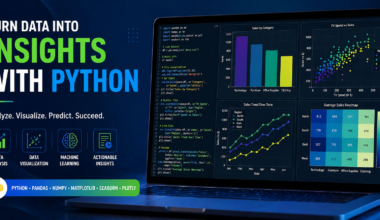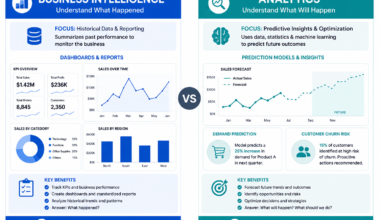
If you’ve been thinking about picking up a new skill in 2026, the best Python course you choose today could genuinely change your career. I know that sounds bold, but I’ve seen it happen firsthand — students I’ve taught who started with zero coding experience ended up landing roles in data science, AI, automation, and web development simply because they committed to learning Python consistently.
Python is everywhere right now. It powers AI systems, automates repetitive business tasks, drives data analysis pipelines, runs web applications, and sits at the core of machine learning research. Whether you’re a complete beginner or someone who’s already coded a little, there’s a Python course out there that fits your exact needs.
However, here’s the real challenge: with hundreds of free and paid options on platforms like Coursera, Udemy, freeCodeCamp, DataCamp, and Harvard’s OpenCourseWare, choosing the right one feels overwhelming. I’ve personally reviewed dozens of Python courses based on skill level, learning style, budget, project quality, certificate value, and career outcomes — and in this guide, I’m breaking it all down for you.
Let’s find the perfect Python programming course for where you are right now and where you want to go.

Table of Contents
- Why Learning Python in 2026 Is Still Worth It
- How We Chose the Best Python Course Options
- Best Python Course for Absolute Beginners
- Best Python Course for Practical Projects
- Best Python Course for Data Science and AI
- Best Python Course for Intermediate and Advanced Learners
- Free vs Paid Python Courses
- Which Python Course Is Best for Your Career Goal?
- Common Mistakes to Avoid When Choosing a Python Course
- Recommended Tools and IDEs for Learning Python
- Final Verdict.
- FAQ about Python Courses.
Why Learning Python in 2026 Is Still Worth It
I want to be upfront with you: Python is not a hype language. It has consistently ranked as the most popular programming language for five years in a row, according to the Stack Overflow Developer Survey. Moreover, its adoption keeps growing — not shrinking — because of how deeply it’s embedded in modern industries.
As a former CS professor, I’ve watched the job market shift dramatically. Therefore, I can tell you with confidence that Python skills open more doors today than almost any other technical skill you could learn. Here’s why:
- AI and Machine Learning: Frameworks like TensorFlow, PyTorch, and scikit-learn are all Python-based. In addition, most AI research published today uses Python as the primary language.
- Data Science and Analytics: Python, along with Pandas and NumPy, has become the standard tool for data analysts and business intelligence professionals across industries.
- Web Development: Django and Flask make Python a solid choice for backend web development, especially for startups and enterprise apps.
- Automation and Scripting: Python automates repetitive tasks, processes files, scrapes data, and controls APIs — making it invaluable in operations and finance roles.
- Cloud and DevOps: Major cloud platforms like AWS, Google Cloud, and Azure all support Python-based automation scripts and SDKs.
Furthermore, the salary potential is strong. According to the U.S. Bureau of Labor Statistics, software developers earn a median annual wage of over $127,000. Python-specialized roles in data science and machine learning often command even more — frequently between $110,000 and $160,000 in North America, the UK, and Australia.
For example, industries actively hiring Python developers include healthcare, finance, retail, government, and education technology. So, if you’re wondering whether learning Python is still worth your time — the answer is absolutely yes.
How We Chose the Best Python Course Options
I didn’t just pull these courses out of thin air. Instead, I evaluated each one using a clear, repeatable framework — the same kind of critical thinking I applied when reviewing curriculum as a university professor. Here’s what I looked at:
- Course Depth: Does it go beyond syntax into real problem-solving and project work?
- Beginner Friendliness: Can someone with no prior coding experience follow along comfortably?
- Hands-On Projects: Are there real coding exercises, not just video watching?
- Certificate Value: Is the certificate from a recognized institution or platform?
- Instructor Quality: What are the instructor’s credentials and student ratings?
- Updated Curriculum: Has the course been updated in 2024–2026 to reflect current Python practices?
- Community Support: Is there an active forum, Discord, or Q&A system?
- Career Relevance: Does the course align with actual job requirements?
Additionally, I reviewed community discussions on Reddit (r/learnpython, r/datascience), Trustpilot, and platform-specific review sections. I also consulted feedback from former students and colleagues in the industry. Finally, I cross-referenced each recommendation with real job postings on LinkedIn and Indeed to verify that the skills being taught are actually in demand.
This approach gives me confidence that the courses I recommend here aren’t just popular — they’re genuinely useful for building a career.
Best Python Course for Absolute Beginners
Starting out can feel intimidating, but the good news is that Python is one of the most beginner-friendly languages out there. Moreover, several excellent courses make the learning curve even gentler. Here are my top picks for total beginners.
Harvard University CS50’s Introduction to Programming with Python (CS50P)
This is, without a doubt, one of the best free Python courses available anywhere online. Harvard’s CS50P is taught by David Malan — one of the most engaging computer science educators I’ve ever come across. Furthermore, the course covers core Python concepts including functions, conditionals, loops, exceptions, file I/O, and libraries.
Who should take it? Anyone who wants a rigorous, academic foundation in Python without paying a dime. The course is self-paced and available on edX.
- Pros: Free, academically rigorous, excellent problem sets, respected certificate
- Cons: Challenging for absolute beginners with zero programming background, requires commitment
Coursera – Python for Everybody (University of Michigan)
This is probably the most well-known beginner Python course online. Taught by Dr. Charles Severance (Dr. Chuck) from the University of Michigan, Python for Everybody is warm, approachable, and methodically paced. First, it introduces data structures, then moves into working with databases and web data.
It’s especially great for learners who want a university-backed certificate to add to their LinkedIn profile. In addition, Coursera’s financial aid option makes it accessible for learners on a budget.
- Pros: University credential, beginner-paced, flexible schedule, financial aid available
- Cons: Requires a Coursera subscription for the certificate, some sections feel slow for faster learners
freeCodeCamp Python Certification
If you want a completely free, project-based Python certification, freeCodeCamp is one of the best options available. It’s self-paced, which means you can move as fast or as slow as you like. Furthermore, the curriculum focuses on practical exercises that teach you by doing, not just watching.
- Pros: Completely free, project-based, recognized certificate, large community
- Cons: No video instruction, requires self-discipline to stay on track
Best Python Course for Practical Projects
Theory is important, but honestly, you learn Python best by building things. Therefore, this section focuses on courses that emphasize real-world projects, hands-on coding, and building a portfolio you can actually show to employers.
Udemy – 100 Days of Code: The Complete Python Pro Bootcamp
This is the most popular Python bootcamp on Udemy, and for good reason. Created by Dr. Angela Yu, it takes you through 100 days of hands-on Python projects — ranging from simple scripts to web apps, data visualizations, and games. As a result, you finish the course with an impressive portfolio of real work.
It’s best for both beginners and intermediate learners who want to build coding habits alongside skills. Moreover, Udemy frequently puts it on sale for around $15–$20, making it exceptional value.
- Pros: 100 real projects, beginner to advanced progression, Angela Yu’s engaging teaching style, lifetime access
- Cons: Very long (60+ hours), can feel overwhelming at first
Udemy – The Python Mega Course
Ardit Sulce’s Python Mega Course focuses on building real-world applications including web apps, dashboards, automation scripts, and portfolio-ready projects. Furthermore, it’s updated regularly to include modern Python libraries and tools. This course is ideal for learners who want to move beyond syntax into actually building usable software.
- Pros: Practical app-building focus, regular updates, great for portfolio building
- Cons: Less structured than 100 Days of Code, better suited for intermediate learners
Scrimba – Learn Python
Scrimba takes a completely different approach to teaching. Instead of watching videos, you code directly inside the tutorial — pausing, editing, and running code as you go. This interactive style is particularly effective for visual learners and people who get bored of passive video watching. In addition, the course is beginner-friendly and keeps lessons short and engaging.
- Pros: Interactive coding environment, short focused lessons, great for visual learners
- Cons: Limited advanced topics, smaller community compared to Udemy or Coursera
Best Python Course for Data Science and AI
If your goal is to break into data science, machine learning, or AI, you’ll need Python courses that go deeper than the basics. These options are specifically built for learners aiming at analytical and AI-driven careers. For a broader look at how Python fits into AI careers, check out our guide on
If your goal is to break into data science, machine learning, or AI, you’ll need Python courses that go deeper than the basics. These options are specifically built for learners aiming at analytical and AI-driven careers. For a broader look at how Python fits into AI careers, check out our guide on Python’s role in AI and machine learning — it gives helpful context before you dive into any of the courses below.
DataCamp – Python Career Track
DataCamp is purpose-built for data professionals, and its Python Career Track is one of the most structured paths available for aspiring data analysts and business intelligence learners. Moreover, every lesson is interactive — you write and run real Python code inside the browser without needing to set up anything locally.
The track covers Python fundamentals, Pandas, NumPy, data visualization with Matplotlib and Seaborn, and SQL integration. Therefore, by the end, you’ll have the core skills most data analyst job postings require.
- Pros: Purpose-built for data careers, interactive coding, structured career path, strong community
- Cons: Subscription-based ($25/month), not ideal for those focused purely on web development
Coursera – Python for Data Science, AI & Development (IBM)
This IBM-backed course on Coursera is a solid choice for learners entering analytics or AI-focused careers. Furthermore, it introduces Python with a direct focus on data manipulation, AI APIs, and machine learning concepts. The course connects naturally to IBM’s broader data science certificate program.
- Pros: IBM credential, AI-focused from the start, well-structured, part of a larger career path
- Cons: Requires Coursera subscription for certification, some modules feel surface-level
IBM – Analyzing Data with Python
This course is specifically designed for learners who want to use Python with Pandas and NumPy in real business and analytics scenarios. As a result, it’s highly practical — covering data cleaning, exploratory analysis, and visualization. It’s an excellent companion to the IBM Data Science Certificate on Coursera.
- Pros: Business-focused, Pandas and NumPy heavy, practical datasets
- Cons: Not beginner-friendly if you haven’t taken a foundational Python course first

Best Python Course for Intermediate and Advanced Learners
Once you’ve mastered the basics, the next step is building real, production-level software and deepening your understanding of Python’s advanced features. Fortunately, there are some excellent options for this stage of your journey.
Udemy – The Python Mega Course (Advanced Use)
At the intermediate and advanced level, the Python Mega Course becomes even more valuable. It dives into APIs, web application deployment, database integration, and building production-ready tools. Therefore, it’s worth revisiting even after completing a beginner course, as the advanced modules offer significant depth.
Real Python – Advanced Python Tutorials
Real Python is a platform I genuinely respect and recommend. It offers a constantly growing library of tutorials, articles, and video courses covering advanced topics like object-oriented programming (OOP), REST APIs, automated testing, Django, Flask, and asyncio. Furthermore, the content is written and reviewed by professional Python developers.
This is best for learners who’ve already completed a beginner course and want to go deeper into specific topics. In addition, Real Python’s community forum is active and genuinely helpful.
- Pros: Constantly updated, professional quality, covers niche advanced topics, active community
- Cons: Monthly subscription required ($29/month), no structured linear course path
Educative – Advanced Python Path
Educative is a text-based learning platform — which makes it a great fit for experienced developers who prefer reading and coding over watching videos. The Advanced Python Path covers decorators, generators, concurrency, design patterns, and performance optimization. Moreover, it’s particularly popular among developers preparing for technical interviews.
- Pros: Text-based (faster for experienced learners), coding exercises, interview prep aligned
- Cons: Less beginner-friendly, subscription required
Free vs Paid Python Courses
One of the most common questions I get is: should I pay for a Python course, or just use free resources? Honestly, the answer depends entirely on what you want to achieve. Let me break it down clearly.
When a Free Python Course Is Enough
A free Python course works perfectly well in these situations:
- You’re learning Python fundamentals for the first time
- You want to practice syntax and basic concepts before committing to a paid course
- You’re exploring whether Python is the right language for you
- You’re a self-motivated learner comfortable with less structure
In these cases, CS50P, freeCodeCamp, and even YouTube channels like Corey Schafer’s Python tutorials are excellent free options.
When a Paid Python Course Is Worth It
On the other hand, a paid course makes sense when you need:
- A structured roadmap that takes you from beginner to job-ready
- Certificates recognized by employers or used on LinkedIn
- Better project quality and guided feedback
- Direct instructor support or community forums
- Career preparation resources like resume tips and portfolio reviews
Platforms like DataCamp, Coursera (with financial aid), and Udemy’s bootcamps are worth the investment if you’re serious about entering a tech career.
Course Comparison Table
| Course | Level | Price | Certificate | Projects | Duration |
| CS50P (Harvard) | Beginner | Free | Yes | Yes | 9 weeks |
| Python for Everybody | Beginner | $49/mo (Coursera) | Yes | Yes | 8 months |
| freeCodeCamp Python | Beginner | Free | Yes | Yes | Self-paced |
| 100 Days of Code (Udemy) | Beg–Inter | ~$15–$20 | Yes | 100 projects | 100 days |
| Python Mega Course | Inter–Adv | ~$15–$20 | Yes | Yes | 30+ hrs |
| DataCamp Python Track | Inter | $25/mo | Yes | Yes | 90+ hrs |
| Real Python Tutorials | Advanced | $29/mo | No | Yes | Ongoing |
Which Python Course Is Best for Your Career Goal?
Not all Python learners have the same destination in mind. Therefore, I’ve matched the most relevant courses to specific career paths below.
Best Python Course for Web Development
I recommend the 100 Days of Code bootcamp or the Python Mega Course. Both cover Django, Flask, and building full web applications. Furthermore, you’ll finish with deployable projects, which is exactly what web development employers want to see.
Best Python Course for Data Science
DataCamp’s Python Career Track is my top pick here. In addition, combining it with IBM’s Analyzing Data with Python on Coursera gives you a deeply practical foundation in data manipulation and visualization. To explore more beginner-friendly AI courses alongside this path, have a look at our roundup of
DataCamp’s Python Career Track is my top pick here. In addition, combining it with IBM’s Analyzing Data with Python on Coursera gives you a deeply practical foundation in data manipulation and visualization. To explore more beginner-friendly AI courses alongside this path, have a look at our roundup of beginner-friendly AI courses.
Best Python Course for AI and Machine Learning
Start with Python for Data Science, AI & Development from IBM on Coursera, then progress to Real Python’s advanced tutorials on machine learning and APIs. Moreover, pairing your studies with knowledge of the
Start with Python for Data Science, AI & Development from IBM on Coursera, then progress to Real Python’s advanced tutorials on machine learning and APIs. Moreover, pairing your studies with knowledge of the most in-demand AI skills in 2026 will help you stay relevant in a fast-moving field.
Best Python Course for Automation and Scripting
Udemy’s 100 Days of Code covers automation projects extensively — from file management scripts to web scrapers and API integrations. It’s the most practical choice for someone looking to automate workflows in a business environment.
Best Python Course for Business Analysts
IBM’s Analyzing Data with Python combined with DataCamp’s Python Career Track is the ideal combination. Both focus on real data scenarios using Pandas, NumPy, and visualization libraries. As a result, you’ll be able to handle business datasets, generate reports, and present insights — key skills for any analyst role.
After advising hundreds of students over the years, I’ve noticed the same mistakes come up again and again. Here are the ones to watch out for:
Common Mistakes to Avoid When Choosing a Python Course
- Choosing Based Only on Price: The cheapest (or most expensive) course isn’t always the best. Focus on quality, projects, and instructor credibility instead.
- Ignoring Projects and Exercises: A course without real coding exercises will leave you unable to apply what you’ve learned. Always prioritize hands-on work.
- Taking Outdated Courses: Python evolves quickly. Make sure the course you pick has been updated in 2024 or 2025 at the minimum.
- Skipping Fundamentals: Jumping straight to advanced topics without understanding the basics is one of the fastest ways to burn out and give up.
- Switching Between Too Many Courses: Pick one course, finish it, and then move on. Course hopping is one of the biggest time-wasters I see among self-taught learners.
- Not Building a Portfolio Alongside Learning: Certificates are helpful, but employers want to see code. Start building small projects from day one and push them to GitHub.
Recommended Tools and IDEs for Learning Python
Choosing the right coding environment makes learning Python significantly more comfortable. Here’s a quick breakdown of the most popular options.
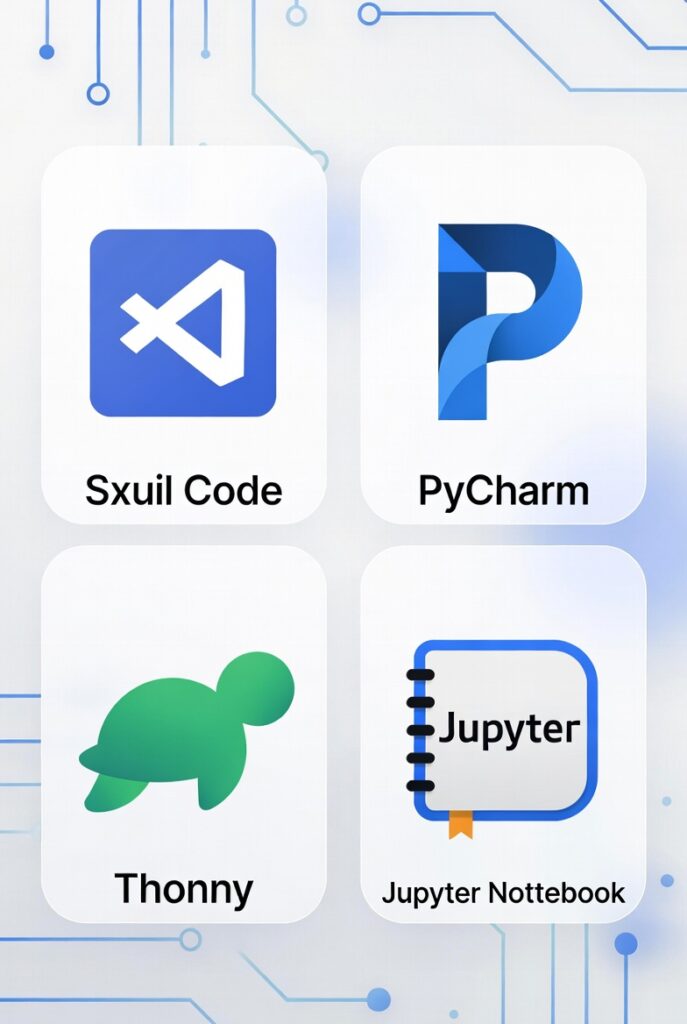
Visual Studio Code (VS Code)
VS Code is my personal recommendation for most learners. It’s free, lightweight, and highly customizable. Furthermore, the Python extension from Microsoft adds syntax highlighting, linting, debugging, and Jupyter Notebook support. It’s suitable for beginners and advanced developers alike.
PyCharm
PyCharm is a professional-grade IDE made by JetBrains. It’s excellent for intermediate to advanced developers working on larger Python projects, including Django web applications. However, it’s heavier than VS Code and can feel overwhelming for beginners. JetBrains offers a free Community Edition, which is sufficient for most learning purposes.
Thonny
Thonny is specifically designed for beginners. It has a simple interface, a built-in debugger that shows you what’s happening inside your code step by step, and requires almost no setup. Therefore, if you’re a total beginner who’s never touched a coding environment before, Thonny is a great starting point.
Jupyter Notebook
Jupyter Notebook is the industry standard for data science and machine learning work. It lets you run code in blocks, see outputs inline, and mix code with text and visualizations. As a result, it’s the tool you’ll use in most data science courses and professional analytics roles.
In summary: start with Thonny or VS Code if you’re a beginner. Move to PyCharm as you advance. Switch to Jupyter Notebook when you enter data science or machine learning territory.
Final Verdict
After reviewing all of these options, here’s my honest summary for different types of learners:
- Best Overall Course: Udemy’s 100 Days of Code is my top pick for most learners. It’s affordable, project-heavy, and takes you from beginner to intermediate with 100 real coding challenges.
- Best Free Course: Harvard’s CS50P is unbeatable for free Python learning. It’s rigorous, well-structured, and backed by one of the world’s most respected universities.
- Best for Data Science: DataCamp’s Python Career Track wins here. It’s purpose-built for data professionals and provides the most direct path to a data analyst or data science role.
- Best for AI and ML: IBM’s Python for Data Science, AI & Development on Coursera is the strongest starting point for AI-focused learners.
- Best for Advanced Learners: Real Python is where I’d send any developer who’s already comfortable with the basics and wants to go deeper into professional Python development.
Whatever your starting point, the most important thing is to begin. Pick one course, commit to it, build projects alongside your studies, and stay consistent. Python is genuinely one of the most versatile and rewarding languages you can learn in 2026 — and the right online Python class will get you there faster than you think.
Start today. Your future self will thank you.
Frequently Asked Questions
Note: FAQ word count is not included in the main article word count.
What is the best Python course for beginners?
In my opinion, Harvard’s CS50P is the best free option, while Udemy’s 100 Days of Code is the best paid option for beginners. Both are well-structured, project-based, and suitable for people with no prior coding experience.
Is Python hard to learn?
No — Python is widely considered one of the easiest programming languages to learn, especially compared to Java or C++. Its simple syntax reads almost like plain English, which makes it very approachable for beginners.
Can I learn Python for free?
Absolutely. Harvard’s CS50P, freeCodeCamp’s Python Certification, and Python’s official documentation are all excellent free resources. You can get from zero to a solid intermediate level without spending a cent.
How long does it take to learn Python?
Most beginners can grasp the fundamentals in 4–8 weeks with consistent daily practice. Getting to a job-ready level — where you can work on real projects — typically takes 6–12 months depending on how much time you dedicate.
Which Python course is best for data science?
DataCamp’s Python Career Track is my top recommendation. It’s purpose-built for data science, uses interactive coding, and covers everything from Pandas to visualization — exactly what employers expect from a data analyst.
Do Python certificates help you get a job?
They can help, especially certificates from recognized institutions like Harvard, IBM, or Google. However, a strong project portfolio on GitHub will generally carry more weight with employers than a certificate alone.
What projects should beginners build after learning Python?
Great beginner projects include a to-do list app, a web scraper, a simple calculator, a weather app using an API, a data dashboard with Matplotlib, or a basic automation script. These projects demonstrate practical skills and make your portfolio stand out.
Which Python course is worth it on Udemy?
100 Days of Code by Dr. Angela Yu is consistently rated as the best value Python bootcamp on Udemy. It’s regularly on sale for around $15–$20 and includes 100 real projects — making it one of the most cost-effective learning investments you can make.
Is CS50P better than Python for Everybody?
Both are excellent, but they serve slightly different purposes. CS50P is more rigorous and challenge-based — great for learners who enjoy academic-style problem solving. Python for Everybody is more conversational and gradually paced — better for learners who prefer a relaxed, step-by-step approach.
External References:
Stack Overflow Developer Survey 2024 | U.S. Bureau of Labor Statistics – Software Developers
Harvard CS50P | DataCamp Python Track | Real Python